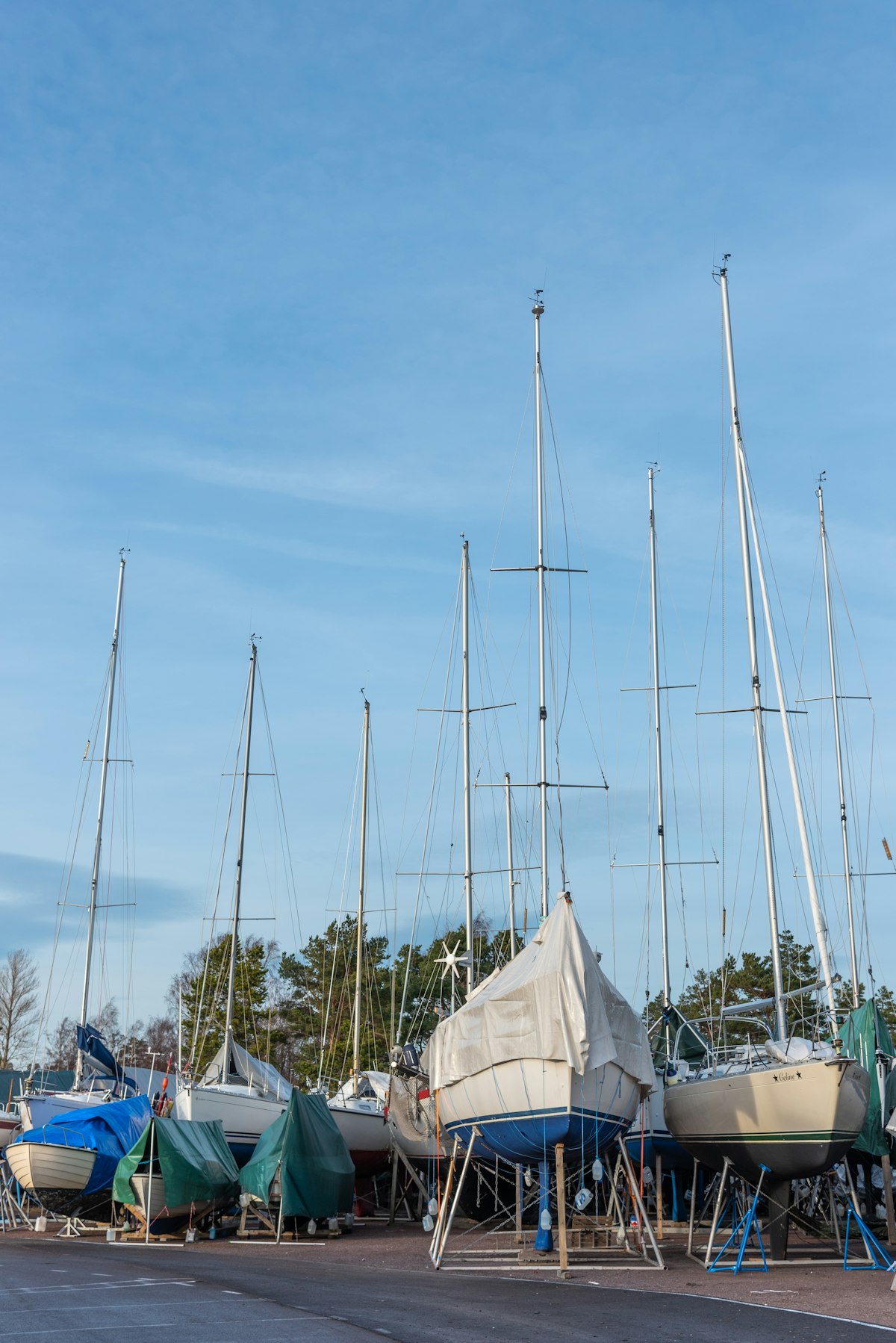
Boat hauled out last day of October, rushed through "inspection" in 30 minutes, immediately covered for winter. Spring launch discovers: Through-hull hose deteriorated (would have leaked catastrophically), prop damaged from late-season strike (lost efficiency all season), zincs 90% gone (galvanic corrosion occurred over winter), bottom paint completely worn away (marine growth severe), cutlass bearing worn (shaft vibration), rudder post leaking (water intrusion), structural crack in keel (unnoticed all season).
Spring repair bill: $6,200 plus delayed launch by 4 weeks. All problems visible and preventable with proper haul-out inspection.
Fall haul-out is critical inspection and preparation opportunity—seeing boat from below waterline reveals issues invisible while afloat.
Why Fall Haul-Out Inspection Matters
Haul-out provides unique opportunity to: Inspect entire below-waterline structure (only chance to see without diving), Address problems discovered before winter (prevents deterioration during storage), Complete winterization immediately after inspection (coordinated approach), Protect boat for winter (proper storage preparation), Plan spring commissioning (know what needs attention in spring), and Protect resale value (documented maintenance history).
Critical insight: Problems discovered at haul-out but not addressed deteriorate over winter, becoming more expensive repairs by spring.
Haul-Out Timing Strategies
When to haul out varies by region and usage: Northern climates (hard freeze zones): October-November (before first hard freeze), Coordinate with winterization services, Book haul-out early (yards fill up quickly). Moderate climates: November-December, May extend season with weather-dependent haul-out. Southern climates: May haul for bottom work/inspection mid-season, Or haul for hurricane season, Consider bottom paint longevity (may haul to repaint regardless of season). Year-round boaters: Haul during slow season for inspection and bottom work, Minimize time out of water.
Pre-Haul-Out Preparation
Before haul-out day, prepare: Schedule haul-out appointment (book 4-6 weeks in advance in busy areas), Confirm yard services needed (bottom work, winterization, storage location), Arrange crew for haul-out day (extra hands helpful), Prepare interior for winter (secure loose items that might shift), Have winterization supplies ready (if DIY), Prepare for immediate inspection (camera, notebook, flashlight, measurements tools), and Clear schedule for haul-out day (don't rush this critical inspection).
Phase 1: Immediate Post-Haul-Out Inspection
As soon as boat lifted, inspect while wet (easier to see issues): Overall hull inspection: Walk completely around boat systematically, Look for cracks, crazing, or impact damage, Check for soft spots or delamination (tap with plastic hammer—dull sound indicates delamination), Inspect keel-to-hull joint (stress cracks indicate problems), Look for blisters (osmotic blistering in fiberglass), Check rudder and strut alignment, Note any areas needing attention. Photography: Photograph entire below-waterline surface systematically (360° documentation), Detail shots of any damage or concerns, Document current condition (insurance, resale, comparison next year), Photograph zincs (percentage remaining), Photo of prop condition, Document bottom paint condition (wear patterns).
Phase 2: Bottom and Paint Inspection
Bottom paint assessment: Paint condition: Evaluate thickness remaining (should see paint, not gelcoat showing through), Note bare spots (high-wear areas), Assess color consistency (fading indicates aged paint), Check adhesion (lifting or peeling?), Evaluate antifouling effectiveness (heavy growth indicates paint failing). Growth assessment: Light film (normal and expected), Hard growth or barnacles (indicates paint failure or end of season), Soft growth or slime (paint still working), Document growth patterns (helps determine bottom paint type and application timing). Paint decision: One coat remaining → Apply one coat this fall, Paint worn through to gelcoat → Strip old paint, apply barrier coat if needed, apply new paint system, Paint in good condition but end of season → May extend into next season with one coat added in spring.
Phase 3: Running Gear Inspection
Propeller examination: Inspect each blade carefully (nicks, bends, cracks), Check leading and trailing edges (impact damage common here), Look for fishing line wrapped around shaft forward of prop (damages shaft seal), Check prop nut and cotter pin security, Assess if props need reconditioning (nicks affect performance), Verify correct prop for boat (if performance issues occurred this season), and Consider upgrading if current prop underperforming.
Shaft inspection: Check shaft for straightness (bent shaft causes vibration), Measure shaft diameter at multiple points (wear indicates replacement needed), Inspect keyway and key condition, Check coupling to transmission (secure? Corrosion?), Verify shaft zinc condition and security, and Look for fishing line damage to shaft seal area.
Cutlass bearing assessment: Grasp prop and try to move vertically (excessive play indicates worn bearing), Spin prop (should spin freely with slight drag—binding or looseness indicates problems), Inspect bearing interior (visible wear grooves?), Consider replacement if 3-4 years old regardless (preventive maintenance), and Check for correct bearing type (water-lubricated vs. grease-lubricated).
Strut and bracket inspection: Check for cracks or corrosion, Verify strut securely attached to hull, Inspect strut zinc condition, Look for bends or misalignment, and Assess need for re-alignment if vibration noticed during season.
Rudder system examination: Check rudder movement (should be smooth with no binding), Inspect rudder stock (corrosion or pitting?), Check rudder-to-hull bearing (wear?), Look for play in rudder (excessive movement indicates bearing wear), Inspect rudder zincs, and Check rudder blade for damage (impacts, delamination).
Phase 4: Through-Hull and Fitting Inspection
Critical safety inspection: Locate each through-hull below waterline, Inspect hull penetration for cracks around fitting, Check through-hull material (bronze corrodes in some waters—replace with Marelon if needed), Verify backing plate visible from inside (later inspection), Inspect seacock bonding if equipped, and Note location and purpose of each through-hull (for reference).
Hose inspection from outside: See what's visible of hose from outside, Note condition (soft, cracked, stiff?), Flag any hoses looking marginal for interior inspection, and Check hose clamps visible (double clamps on all through-hulls?).
Phase 5: Zinc Inspection and Replacement
Zinc assessment: Shaft zincs: Assess percentage remaining (replace if 50% or more deteriorated), Check attachment security (shouldn't spin on shaft), Clean threads and replace with new zinc. Trim tab zincs: Often forgotten—check carefully, Replace if 50%+ deteriorated. Engine zincs: Accessible from inside—will inspect later, Note engine zinc condition when visible. Bonding system zincs: Some boats have bonding system with external zinc, Check if equipped and assess condition.
Zinc deterioration patterns: Even deterioration (normal galvanic protection), Heavy deterioration on one side (stray current issue—investigate), No deterioration (zinc not working—check bonding), Excessive deterioration (stray current problem or wrong zinc alloy), and Document zinc condition with photos (comparison year to year reveals patterns).
Phase 6: Keel and Structural Inspection
Keel examination: Keel-to-hull joint: Inspect where keel meets hull carefully (stress cracks indicate movement), Look for weeping rust stains (indicates water intrusion to keel bolt area), Check for gaps or separation, Note any flexing evidence. Keel bolts (if visible from inside): Will inspect later from interior, But note any external evidence of issues (rust, cracks, movement). Keel structure: Check for impact damage, Look for cracks or crazing in keel, Inspect keel faring (need refairing?), Verify keel paint condition. Ballast concerns: If encapsulated lead ballast, look for evidence of movement (cracks, gelcoat damage), If external ballast keel, inspect bolts and attachment, Consider professional survey if concerns discovered.
Phase 7: Interior Through-Hull Inspection
Inside inspection critical: Each through-hull from inside: Locate corresponding interior seacock, Cycle seacock open/closed (should move smoothly with moderate resistance), Inspect hose attached to seacock (soft? Cracks? Bulging?), Check hose clamps (two stainless clamps minimum on each connection), Verify hose routing logical and accessible, Look for corrosion or weeping around seacock, and Tag any seacocks needing replacement or hoses needing attention.
Hose replacement decision: Replace if 7+ years old (preventive maintenance), Replace if soft, cracked, or stiff, Replace if bulging or showing stress, Replace if any doubt (failure while underway catastrophic), and Consider replacing all hoses during haul-out (peace of mind for entire next season).
Phase 8: Bilge and Interior Inspection
Accessible areas visible with boat out of water: Bilge examination: Clean bilge thoroughly (remove oil, debris, old water), Inspect bilge structure (cracks, damage?), Check bilge limber holes (clear for water flow?), Inspect bilge pump and float switch, Look for sources of water intrusion (through-hulls, shaft seal, deck leaks), Check bilge pump discharge hose and through-hull, and Note any needed bilge repairs or improvements.
Shaft log and packing gland: Inspect shaft where enters hull (packing gland or dripless seal), Check for proper adjustment (dripless seals shouldn't leak at all, packing glands should drip slowly when running), Look for wear on shaft from packing, Check hose clamps and connections, and Consider dripless seal if traditional packing causing problems.
Engine mounts and stringers: Inspect engine mounts (corrosion? Sagging?), Check engine alignment marks (has engine moved?), Look at stringers supporting engine (cracks? Deterioration?), Note any issues for professional evaluation.
Phase 9: Bottom Work Coordination
After inspection, determine bottom work needed: Bottom preparation: Pressure wash bottom (removes growth, loose paint), Scraping if necessary (remove hard growth), Sanding if painting (feather edges, smooth surface), Barrier coat if needed (osmotic blister prevention). Zinc replacement: Replace all zincs 50% or more deteriorated, Clean threads before installation, Use proper zinc alloy for your water (aluminum vs. zinc). Bottom paint application: Number of coats needed based on condition, Paint type selection (ablative vs. hard, copper content, multi-season paint), Application timing (paint too far in advance dries out), Professional vs. DIY (complex job, consider professionals). Prop service: Prop reconditioning (remove nicks, balance), Prop upgrade if performance issues, New prop if damaged beyond reconditioning. Other bottom work: Cutlass bearing replacement if needed, Shaft alignment if vibration issues, Rudder bearing replacement, Through-hull replacement, Any hull repairs needed (cracks, blisters, damage).
Phase 10: Winterization Coordination
Haul-out perfect time for winterization: Engine winterization (antifreeze, fogging, oil change, impeller removal), Plumbing winterization (RV antifreeze through freshwater system), Sanitation system winterization, Battery removal or maintenance, Electrical system protection, Interior preparation (moisture control, mildew prevention), and Canvas removal or protection.
Refer to complete winterization article for detailed procedures.
Phase 11: Storage Preparation
Prepare for winter storage: Ensure proper blocking (stable, level, properly supported), Check cradle or jack stands (secure, adequate support points), Cover setup (breathable cover, peaked to shed water, adequate ventilation), Winter inspection access plan (how will you check on boat?), Security considerations (theft prevention, access control), and Document storage configuration (photos helpful for any insurance issues).
Phase 12: Documentation and Spring Planning
Document everything discovered: Create comprehensive haul-out report: Date of haul-out, Condition notes for each area inspected, Photos organized by area (hull, bottom, running gear, through-hulls, interior), Issues discovered (with photos), Work completed this haul-out (bottom paint, zincs, repairs), Work deferred to spring (with reason and priority), Parts needed for spring (hoses, hardware, etc.), and Estimated costs for spring work.
Spring commissioning prep: Note discovered in fall creates spring to-do list, Order parts over winter (better prices, availability), Schedule spring services (get on calendar early), Budget for spring work (no surprises), and Reference haul-out report during commissioning (nothing forgotten).
Fall Haul-Out Checklist
Complete task list: ☐ Overall hull inspection (cracks, damage, soft spots), ☐ Bottom paint assessment (condition, coverage, effectiveness), ☐ Growth pattern documentation, ☐ Propeller inspection (nicks, bends, security), ☐ Shaft examination (straightness, wear, coupling), ☐ Cutlass bearing assessment (play, wear), ☐ Strut and bracket inspection, ☐ Rudder system examination (movement, bearings, zincs), ☐ Through-hull inspection from outside, ☐ Zinc assessment and replacement (shaft, trim tabs, other), ☐ Keel and structural inspection (joint, bolts, damage), ☐ Interior through-hull inspection (seacocks, hoses, clamps), ☐ Hose condition assessment and replacement, ☐ Bilge inspection and cleaning, ☐ Shaft log and packing gland check, ☐ Engine mounts and stringers, ☐ Photography (360° documentation), ☐ Bottom work coordination (pressure wash, paint, repairs), ☐ Winterization (immediate or scheduled), ☐ Storage preparation (blocking, covering), ☐ Documentation (comprehensive report with photos), ☐ Spring planning (parts, services, budget).
Common Haul-Out Inspection Mistakes
Critical errors to avoid: Rushing inspection (take time to look carefully at everything), Not photographing everything (memory fades, photos provide record), Skipping interior through-hull inspection (most critical safety items), Ignoring worn zincs ("still has 60% left"—replace at 50%), Not pressure-washing bottom before inspection (can't see under growth), Deferring needed repairs without good reason (deteriorates over winter), Not documenting findings (forget by spring), Covering boat before complete inspection (once covered, hard to access), and Assuming "looks okay" without detailed inspection (small problems become big).
Professional Services vs. DIY
Professional haul-out inspection: Professional surveyor sees things owner misses, Detailed written report with photos, Expertise in identifying problems, Good option for first haul-out with boat, Typical cost: $300-$800 depending on boat size.
DIY inspection: Owner learns boat intimately, Significant cost savings, Flexibility to take time needed, Owner present for all findings (immediate decisions), Good if owner experienced or willing to learn.
Hybrid approach: Owner inspection, professional inspection of specific concerns, Professional for complex systems (engine alignment, rigging, etc.).
The Haul-Out Investment
Typical costs for fall haul-out: Haul and block: $150-$400, Pressure wash bottom: $100-$300, Bottom paint (1-2 coats): $400-$1,200, Zinc replacement: $50-$200, Prop service if needed: $100-$300, Through-hull hose replacement (if needed): $200-$600, Winterization (DIY supplies or professional): $150-$800, Storage (varies widely by location): $500-$3,000, Professional inspection if chosen: $300-$800, and Total haul-out and storage: $1,650-$7,600.
Digital Haul-Out Documentation
Platforms like Yachtero enhance haul-out inspection: Digital inspection checklist (ensures nothing missed), Photo documentation organized by system, Haul-out history (compare condition year-over-year), Issues tracking (discovered → repaired, deferred items visible), Parts ordering (noted needs become spring shopping list), Service coordination (schedule spring work based on findings), and Historical data (zinc life, bottom paint longevity, recurring issues).
The bottom line: Fall haul-out presents critical inspection and preparation opportunity seeing boat from below waterline. Comprehensive inspection covers: overall hull condition (cracks, soft spots, blisters), bottom paint assessment and planning, running gear (prop, shaft, cutlass bearing, struts, rudder), through-hull and fitting inspection (outside and inside), zinc assessment and replacement (50% rule), keel and structural examination, interior through-hull inspection (seacocks, hoses, clamps—most critical safety), bilge inspection and shaft log, bottom work coordination (pressure wash, paint, zincs, repairs), winterization immediately after inspection, storage preparation, comprehensive documentation with photos, spring planning and parts ordering. Budget $1,650-$7,600 including haul, bottom work, winterization, and storage. Take time for thorough inspection—problems discovered and addressed prevent expensive spring failures. Haul-out isn't just bottom paint—it's comprehensive below-waterline inspection revealing issues invisible while afloat. Document everything: issues discovered, work completed, parts needed, spring to-do list. Result: boat properly maintained, safe for next season, surprises prevented, resale value protected through documented maintenance history.

Enhance Your Boating Experience
Unlock a more organized, efficient, and enjoyable boating experience with Yachtero. Download the app today and discover the benefits of AI-powered assistance. Register now and take control of your boat!